

Two Kids,
Two Sports,
Two Different Pathways
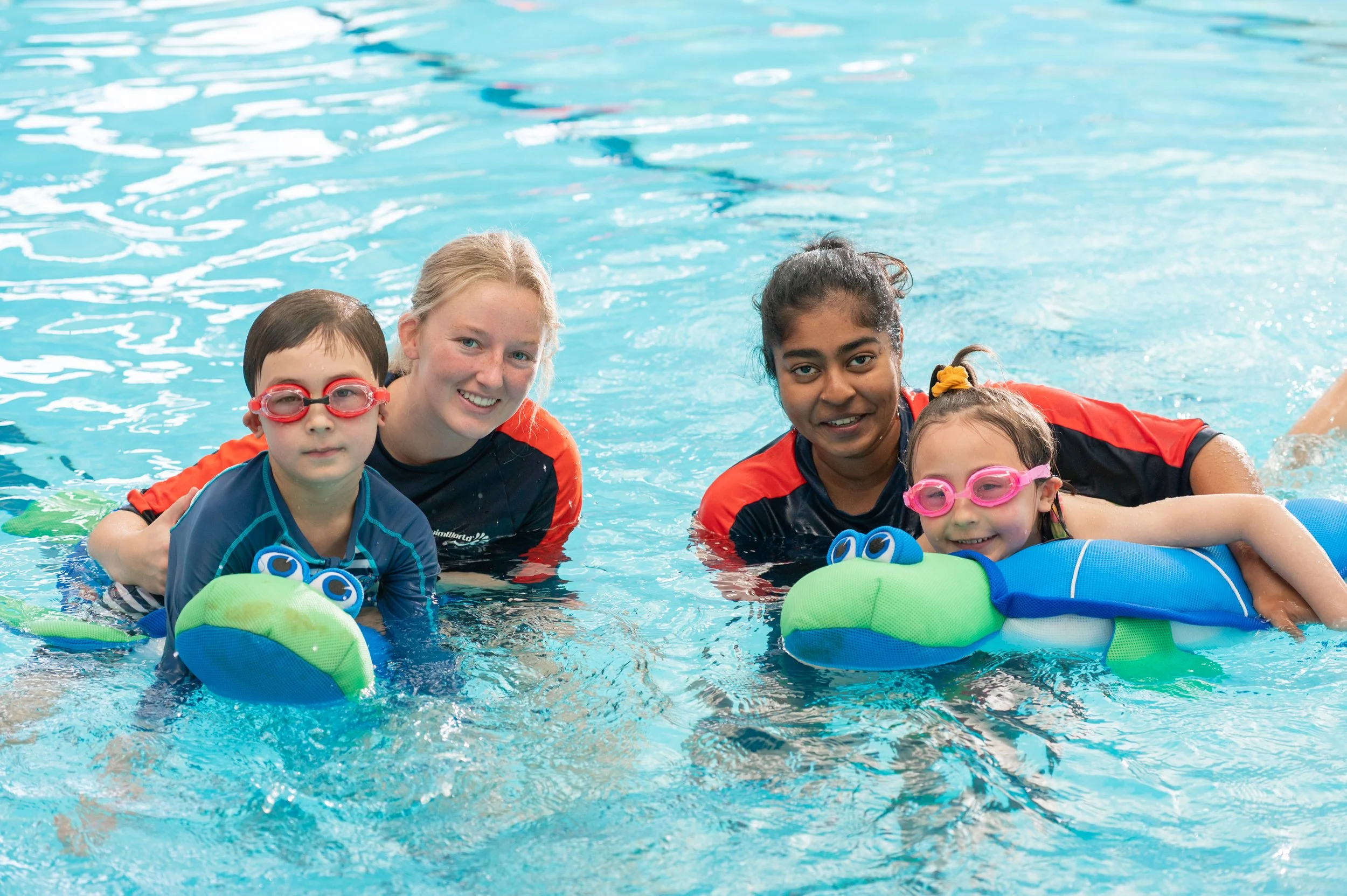
Mia and Luca are both five years old and live three streets apart in Glen Waverley. They attend the same primary school and started Prep this year. In September, Mia began 30-minute swimming lessons once a week at an indoor heated pool. Luca started playing cricket for an hour on Saturday mornings at the local oval.
Both sets of parents thought they made a good choice. They were right. But what happened to each child between spring and autumn differs in unexpected ways. This looks at what each sport does, what it misses, and what research says happens inside a child's body and brain during these activities.
September: Starting Out
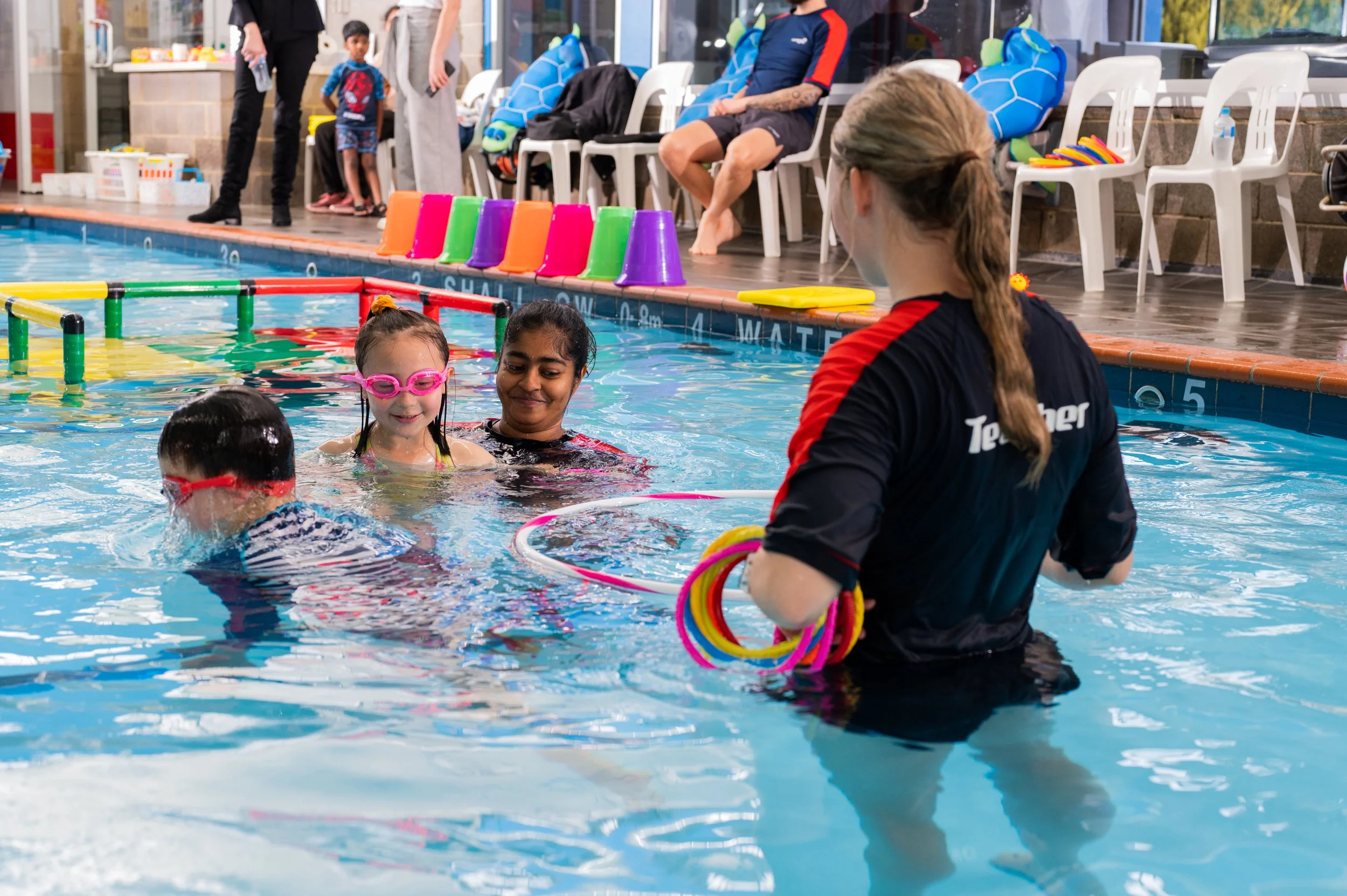
Mia enters the 32-degree pool on a cool Tuesday afternoon. She feels nervous. She holds the wall, getting comfortable with the depth and the sound of her breathing. She kicks with a board for three minutes and practices putting her face near the water. Her mum watches from the observation room, wondering if this was the right move.
Luca arrives at the damp oval on a 16-degree Saturday morning. He wears oversized whites and cricket pads that slip down. He runs, fields, bowls, and bats with 20 other kids. His dad watches from the sidelines, knowing the choice was right with his son having an absolute blast. At this point, Luca is winning.
The benefits of Junior Cricket
Junior cricket is developmentally rich.
Tracking a ball, judging a catch, and timing a bat swing build intense hand-eye coordination.
Catching requires complex depth perception and quick body adjustments.
The game builds patience and strategic thinking through periods of waiting.
Kids learn emotional education by participating in a team, celebrating others, and handling getting out for zero.
Cricket is one of the best Saturday morning activities across an Australian summer. But it leaves a gap.
What Cricket MisseS
Cricket heavily favours one side of the body. Luca bats, bowls, and throws right-handed. His non-dominant side develops much slower. His breathing remains unregulated. The physical intensity per minute is quite low, with lots of standing and waiting. His brain processes visual information and makes quick decisions, missing out on bilateral coordination and breath control.
What Swimming Does Differently
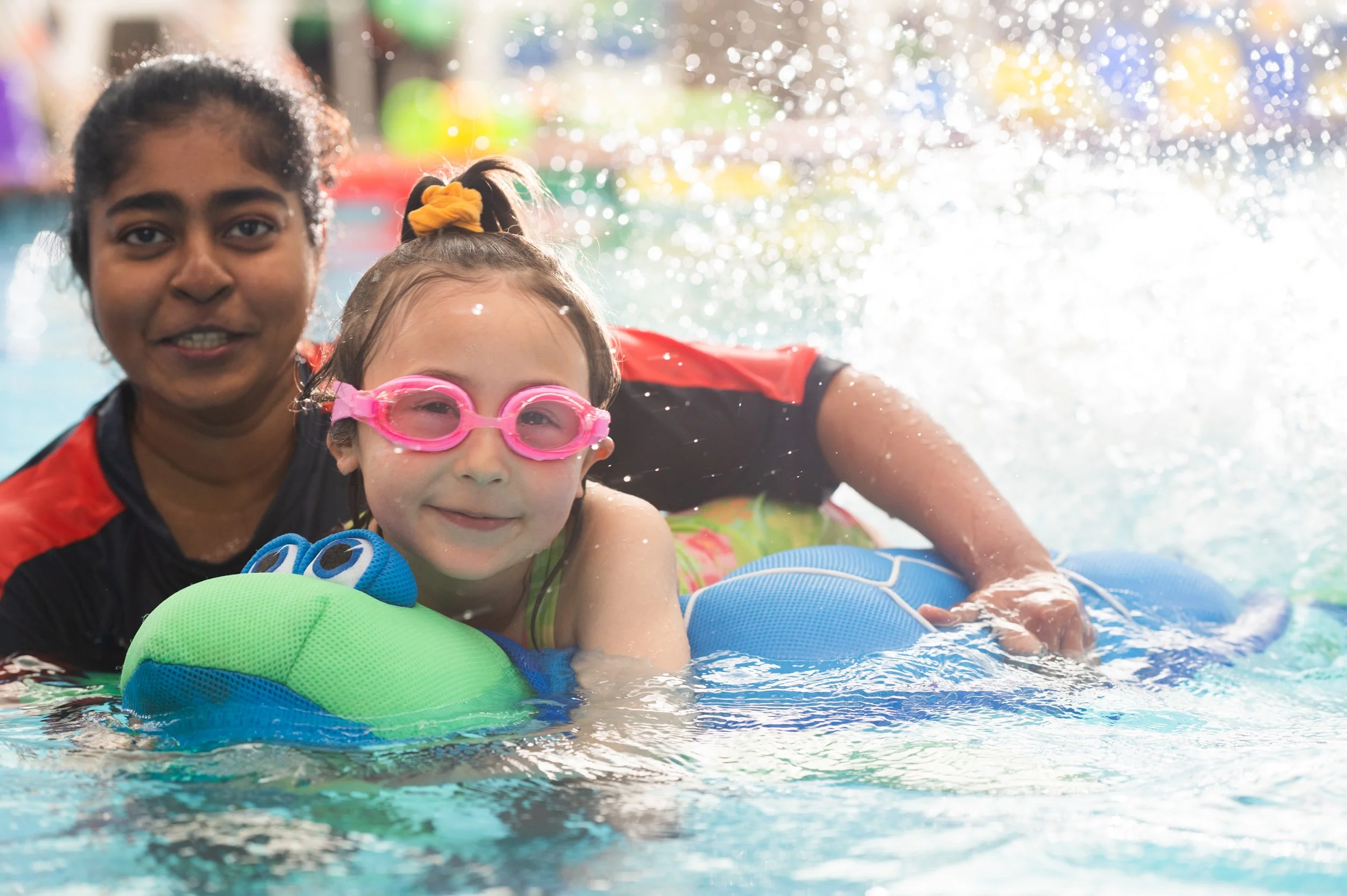
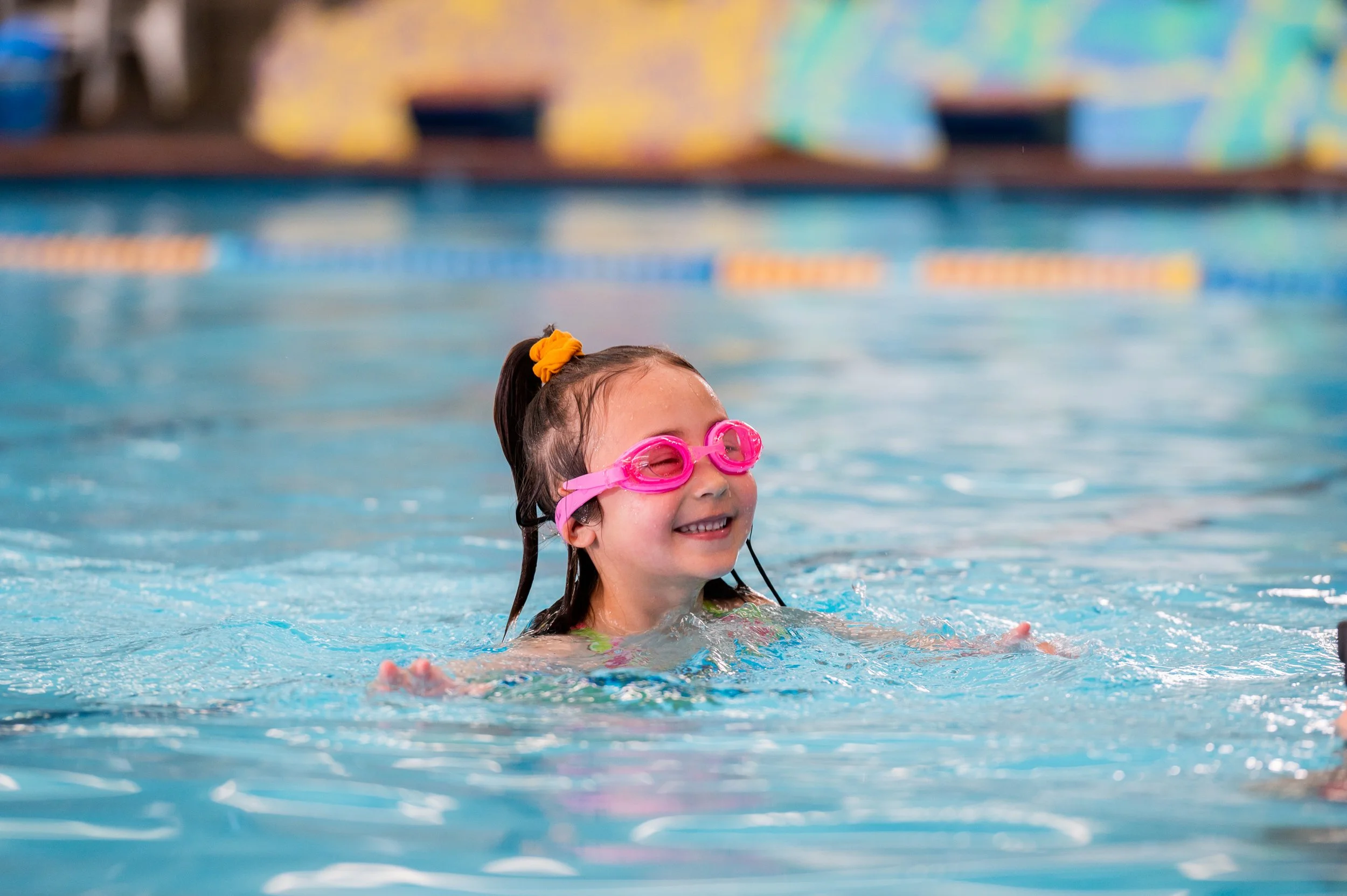
Mia is three weeks into her lessons. She can kick for 10 metres, float on her back, and blow bubbles.
Putting her face in the water and blowing out requires a conscious override of an involuntary system.
Choosing when to hold and release her breath trains executive function in the prefrontal cortex.
Swimming forces coordinated, alternating patterns across both sides of the body.
This bilateral movement stimulates cross-brain communication, linking to improved reading fluency and spatial reasoning.
The symmetrical water environment demands equal output from both arms to avoid swimming in circles.
Water is about 12 times denser than air. Every movement Mia makes requires precise motor control against constant resistance. A 2026 Journal of Cognitive Enhancement study found that 20 minutes of swimming increased cortical processing speed. Researchers attribute this to the complex mix of coordinated breathing, bilateral movement, whole-body resistance, and sensory immersion.
Three Months In: The Comparison
| Feature |
Mia (Swimming, 1x/week) |
Luca (Cricket, 1x/week) |
|---|---|---|
| Gross motor coordination |
Improved in a controlled environment. |
Improved through multi-directional movement. |
| Bilateral coordination |
Strong development on both sides. |
Minimal, favouring the dominant side. |
| Breath control |
Actively trained every session. |
Unregulated and automatic. |
| Hand-eye coordination |
Moderate, tracking the lane and instructor. |
Strong, tracking moving balls and timing swings. |
| Cardiovascular fitness |
Moderate, 30 minutes of continuous movement. |
Lower, with plenty of waiting between bursts. |
| Cognitive processing speed |
Neural-level improvement from complex motor tasks. |
Improved reaction time and decision-making. |
| Social development |
Small groups of 3 to 6 kids. |
Large teams learning patience and celebration. |
| Water confidence |
High comfort with submersion and floating. |
None developed. |
| Academic readiness |
Swimmers shown to be 6 to 15 months ahead. |
Team sports linked to social cognition. |
| Injury exposure |
Very low, non-impact. |
Low to moderate from ball impacts and running. |
| Weather dependence |
None, constant 32-degree indoor pool. |
Moderate, affected by rain and extreme heat. |
March: Seasons Change
Cricket season runs from October to March. Luca completes about 22 sessions, improving his catching, batting, and understanding of the game. Once the season ends, his Saturday mornings are empty.
Mia keeps swimming. The indoor pool stays warm, and by June, she completes 36 weeks of lessons. By the time Luca resumes cricket in October, Mia has completed 48 consecutive weeks of physical and cognitive development. Her bilateral coordination and breath control compound uninterrupted. Luca has not fallen behind in life, but the specific adaptations swimming produces keep growing in Mia.
The Reality of Choosing
Both sports offer immense value. Pretending they do the same thing does kids a disservice. Cricket builds hand-eye coordination, strategic thinking, and resilience. It stops in winter. Swimming builds bilateral coordination, breath control, and cognitive processing speed year-round.
The best schedule includes both. Thirty minutes in the pool on Tuesday and an hour at the oval on Saturday provides compounding benefits from different systems. If a child plays cricket without swimming, they miss measurable developmental benefits. The water creates conditions like bilateral resistance and zero-impact loading that do not exist on a field.
The only thing standing between Luca and that specific development is 30 minutes a week in a warm pool.
How to Book
You can book a free trial or skills evaluation online, by phone, or by walking into reception. When booking, please include a contact number so we can confirm your session and keep things simple.
- Book online here or fill out the form
- Call: 03 9560 4433
- Visit: 452 Springvale Rd, Glen Waverley VIC 3150
FAQ: Frequently Asked Questions
-
A Free Trial is a 30-minute group lesson for children new to swimming lessons. A Skills Evaluation is a 15-minute 1-on-1 session for children switching from another swim school or returning after a break. Both are free and both result in a class placement.
-
From 4 months. Baby sessions are parent-accompanied, meaning you are in the water with your child for the trial and for all future sessions until your child turns 3.
-
Swimmers, goggles, a towel, and toiletries if you would like to shower afterwards
-
A Free Trial is 30 minutes in the water. A Skills Evaluation is 15 minutes. Allow extra time to arrive, get changed, and speak with the deck supervisor and reception team afterwards.
-
No. There is no obligation. If you would like to go home and think about it, that is completely fine.
-
If there are spots available in the right class, your child can start that same week or the following week.
-
Yes. There are 50 off-street parking spaces on the premises. The facility is also wheelchair and pram accessible.
-
Yes. Adult classes run for all levels, from complete beginners through to technique refinement. The same free trial process applies.