

How to Choose a Swimming School in Melbourne
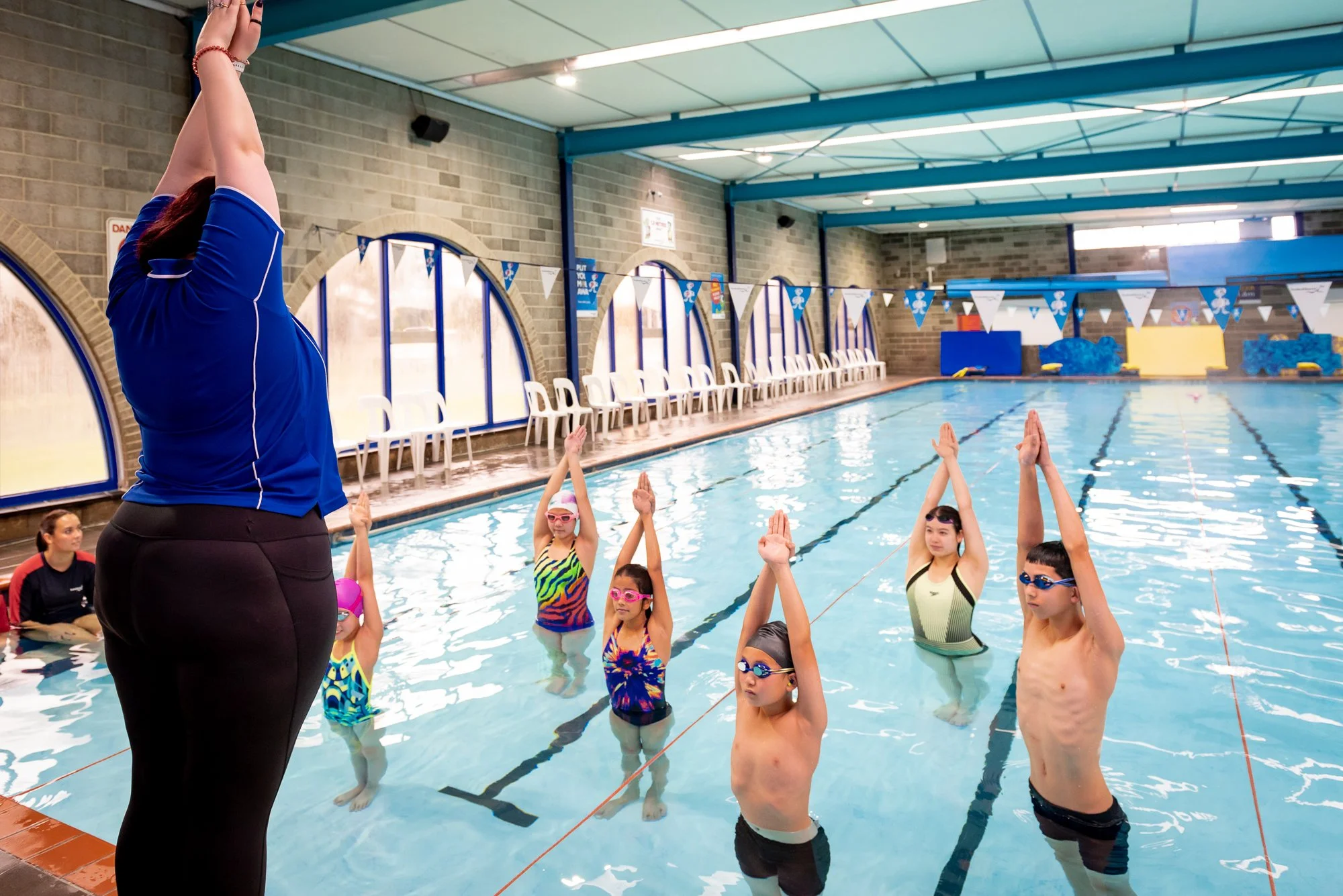
Most swimming school websites look the same. Here is what the research and evidence actually say you should be evaluating.
THe QUESTION BEHIND THE QUESTION
When families in Glen Waverley, Mount Waverley and Wheelers Hill start looking for swimming lessons, the search usually begins the same way: a Google search, a look at a few websites, maybe a question posted in a local Facebook group. The responses come quickly. Everyone has an opinion. Very few of them are based on anything measurable.
This article is not a directory. It is a framework. It draws on what the research says about early childhood aquatic learning, and it gives you specific, practical questions to ask before you enrol your child anywhere, including here.
The goal is not to help you choose SwimWorld. The goal is to help you choose well. If those two things happen to be the same, that is a bonus.
“The families who see the strongest developmental results from swimming lessons are the ones who asked hard questions before they signed up, not after.”
Class size is not a preference. It is a learning variable
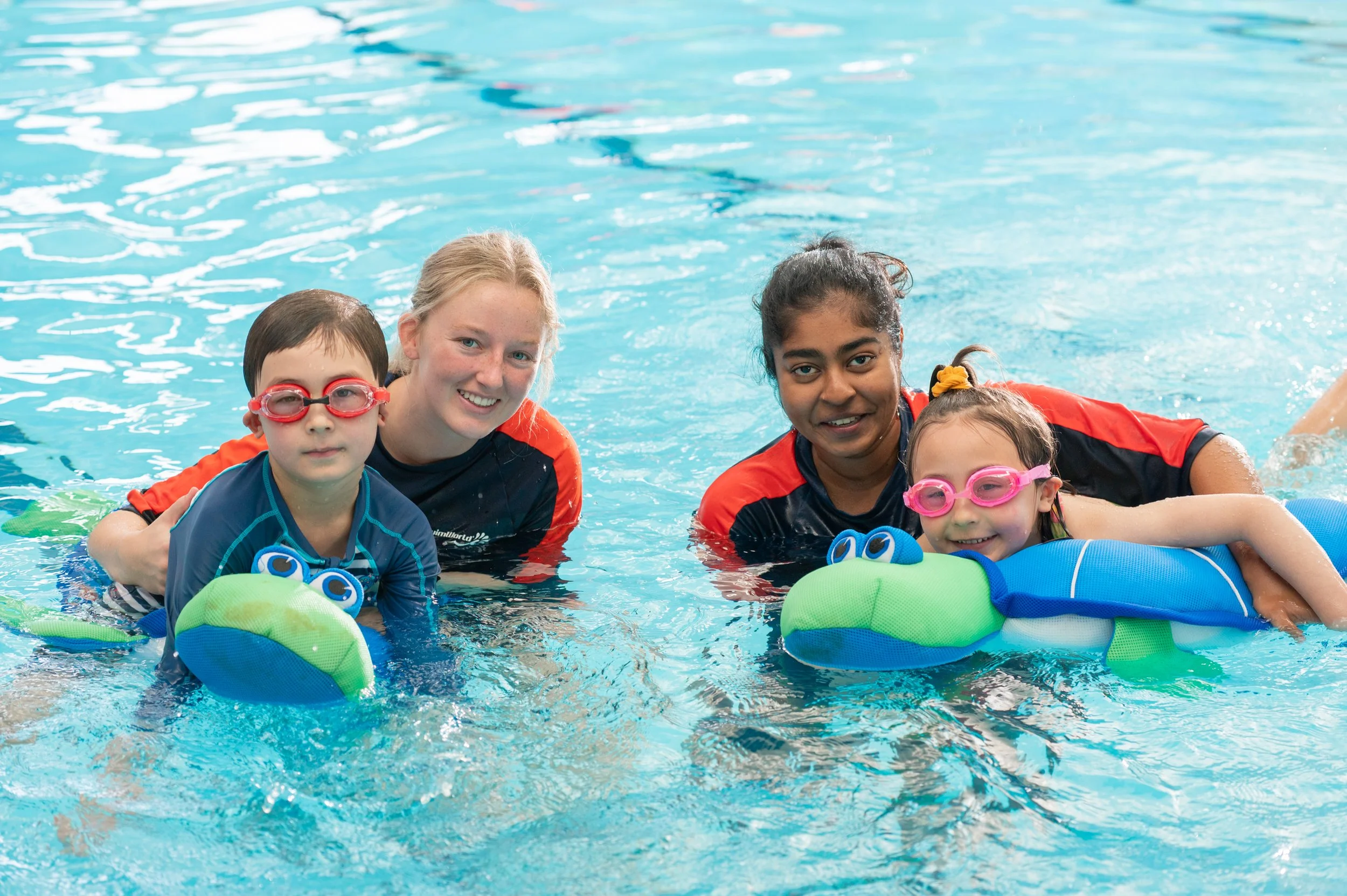
Small group sizes in aquatic instruction are not a marketing point. They are an evidence-backed structural requirement for effective learning in children under eight.
In practical terms, ask every swimming school you consider the following:
What is the maximum number of children per instructor in the age group my child is in?
Does that number change depending on the day or the season?
What happens to class ratios during school holidays or peak enrolment periods?
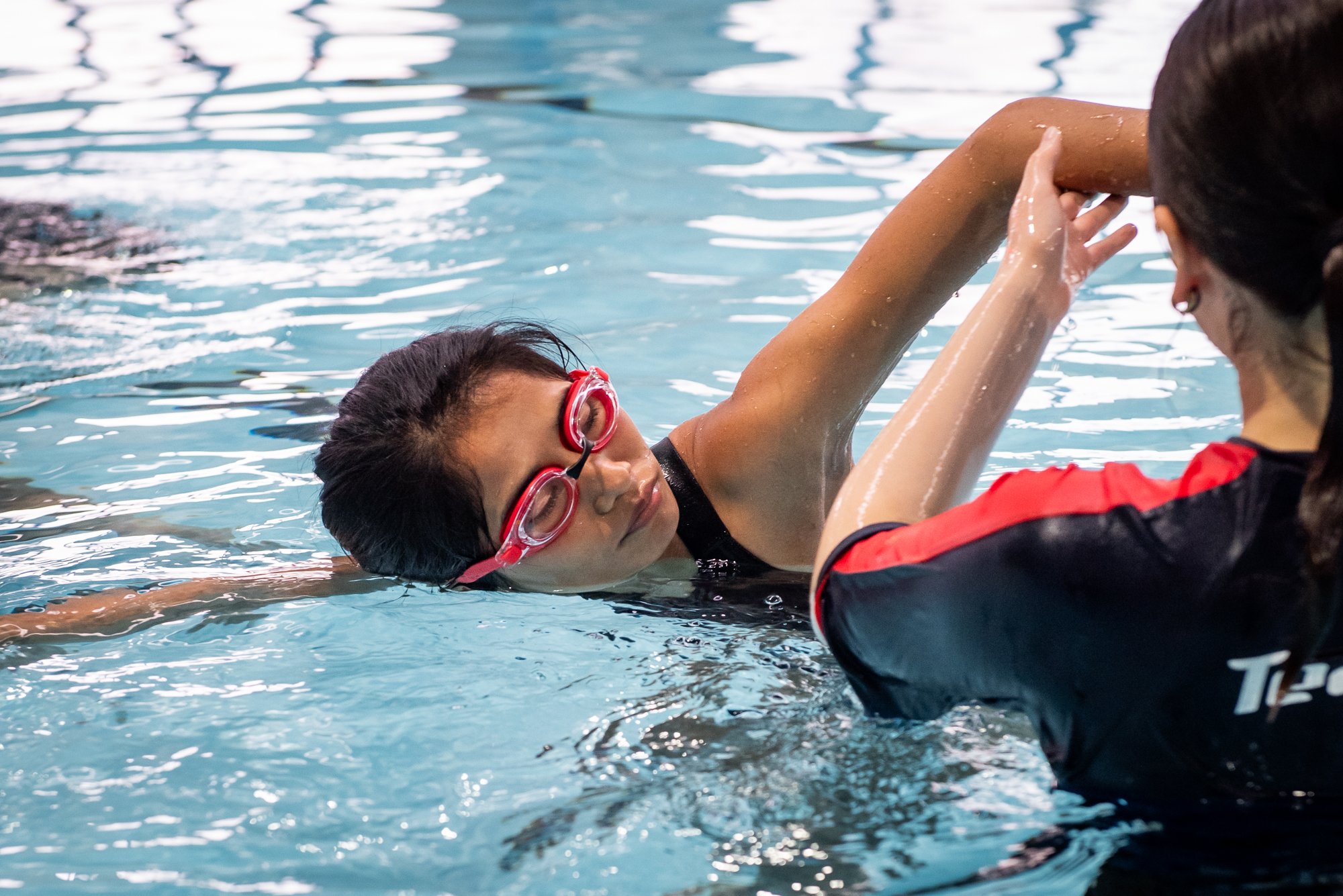
SwimWorld keeps its class sizes to no more than 6 students per class. Most classes will also have an assistant coach, ensuring we have the highest possible ratio of coaches to students for accelerated development
Water temperature is not a comfort issue. It is a physiological one.
For children under three, and particularly for babies from four months of age, water temperature has direct implications for the quality of the learning session. A child who is cold cannot focus. A child who is cold will spend physiological resources on thermoregulation rather than on the sensory and motor processing that makes aquatic learning valuable.
A 2024 study published in Healthcare examined 43 infants aged 3 to 12 months in structured aquatic activity. The infants who participated in water-based sessions showed statistically significant improvements in motor development compared to the control group. Those sessions were conducted in temperature-controlled environments. The temperature was not incidental to the result.
Ask any facility you are considering:
What is the pool temperature, and is it consistent year-round?
How is the temperature maintained in winter?
Is there a minimum air temperature maintained in the pool area?
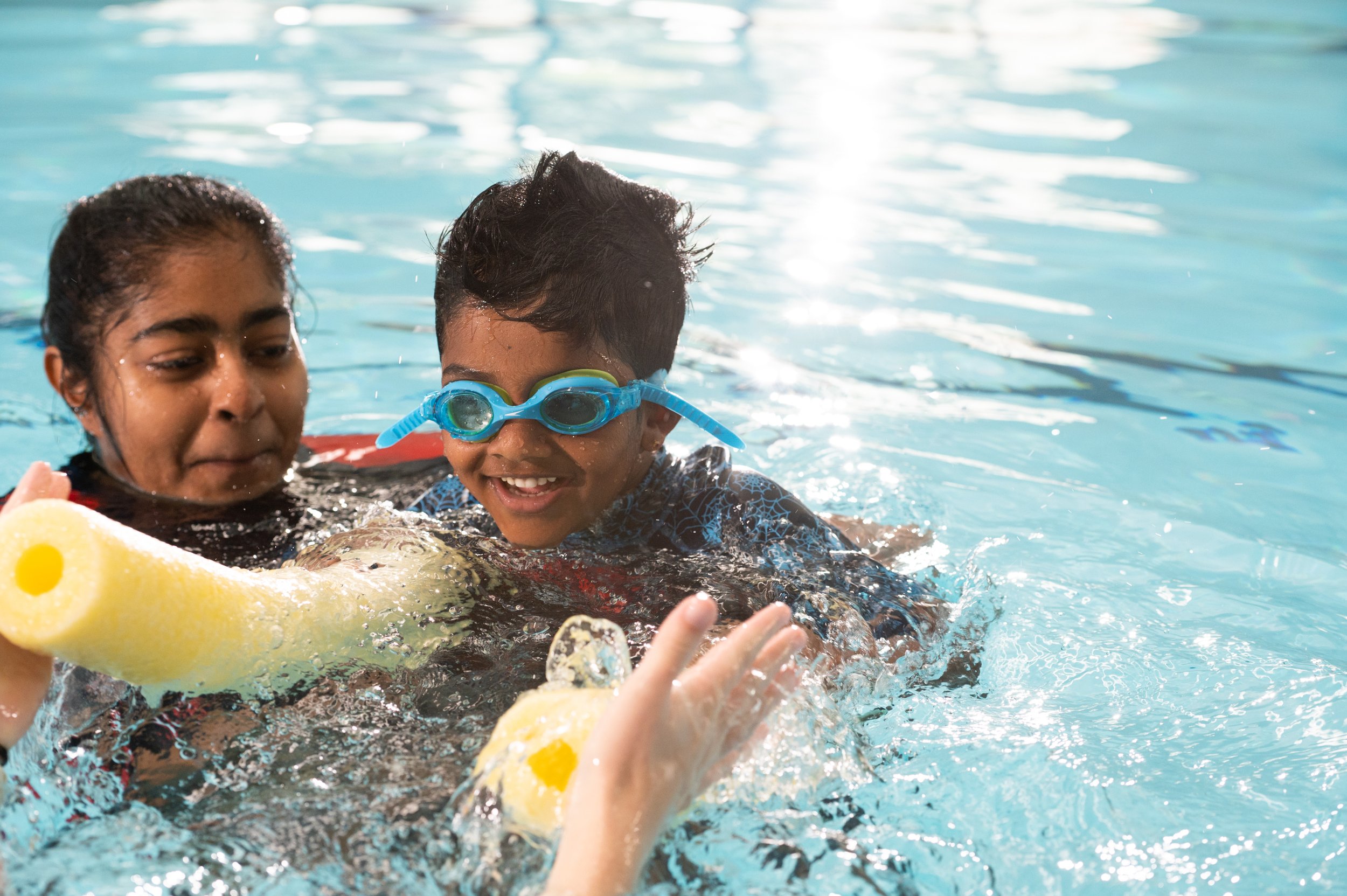
There is a wide spectrum in how swimming schools approach the question of what children actually learn and in what order they learn it. On one end, you have highly structured curriculum programmes with clear developmental stages, assessments, and documented progression pathways. On the other, you have more informal approaches where the instructor adjusts what they teach based on the session.
Neither is automatically better. What matters is whether the approach is coherent, documented and communicated to parents.
The Griffith University research led by Professor Robyn Jorgensen, which followed more than 7,000 children over several years, found that swimmers were ahead of non-swimmers by six to fifteen months across verbal, mathematical and reading abilities, as well as in their ability to follow instructions. That research, which is the largest study of its kind into early childhood swimming, was not measuring children who had simply been in a pool. It was measuring children who had been in structured programmes.
When you are evaluating a swimming school, ask to see their curriculum or their level progression documents. If they cannot show you anything, or if the explanation is vague, that is useful information.
What are the named levels or stages in your programme?
How is progression assessed, and how often?
How will I know when my child is ready to move to the next level?
Is there a written record of my child's progress over the term?
Curriculum structure versus freestyle instruction
Booking flexibility and the cost of inconsistency
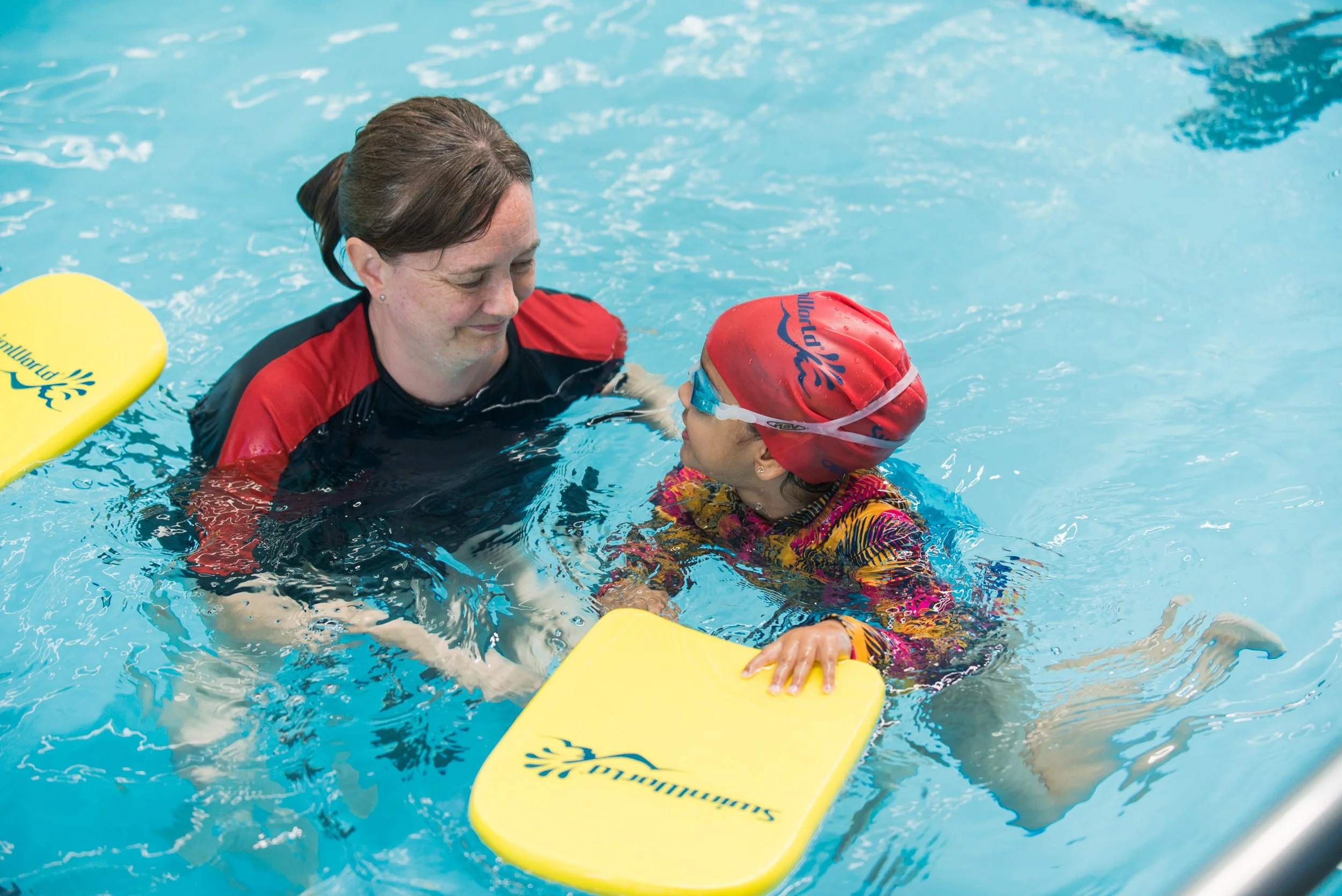
One of the most underestimated factors in a child's swimming progress is attendance consistency. The research benefits described above are associated with sustained programmes over weeks and months, not with occasional sessions.
This means the administrative infrastructure of the school matters. A booking system that makes it easy to maintain consistent attendance and to reschedule a missed class without bureaucratic friction.
Ask:
What happens if we miss a week? Is there a catch-up class policy?
How are enrolments managed across term breaks?
Is billing automatic, and is it easy to manage if our circumstances change?
SwimWorld operates year-round with monthly direct debit billing. Make-up lessons can be made when a regular class is missed.
What you are actually paying for
“The question is not which school is cheapest. It is which school is most likely to produce what the research says sustained swimming produces.”
Swimming lessons in Melbourne range from under twenty dollars to over forty dollars per session. The variance is not always correlated with quality. But understanding what sits behind the price helps you evaluate whether the investment is proportionate to the outcome you are seeking.
A child who starts lessons at four months and continues consistently through to age eight represents approximately ten thousand dollars in tuition over that period. Viewed through that lens, the difference between a twenty dollar weekly lesson and a twenty-eight dollar weekly lesson is not a meaningful variable. What is meaningful is whether the programme delivers on what the research says it can deliver.
The Griffith University research suggests that the cognitive and academic advantages of sustained swimming are measurable and lasting. Children who swim consistently test ahead of non-swimmers in verbal and mathematical ability by a meaningful margin. For achievement-oriented families who are thinking about school readiness and long-term development, the relevant question is not which school is cheapest. It is which school is most likely to produce those outcomes.
No written guide substitutes for visiting a facility in person. When you visit, there are specific things to observe that go beyond whether the pool looks clean.
Watch the instructors during a class. Are they engaged with the children, or managing crowd control?
Listen to how instructors speak to young children. Is the tone calm, specific and encouraging?
Watch how children respond to instruction. Are they calm and attentive, or anxious and disengaged?
Observe the transitions between activities. A well-structured class has smooth transitions. An unstructured one does not.
Notice whether the instructors know the children's names, and whether the children visibly trust them.
These observations take about twenty minutes. They tell you more than any website will.
SwimWorld Glen Waverley offers free trial lessons. We would rather you see the class before you commit than make a decision based on what we have written here, including this article. You can book a trial here or call us on 03 9560 4433.
Research Referenced in This Article
IJERPH Systematic Review (2023): Aquatic activities and gross motor, fine motor, cognitive flexibility and response selection outcomes in children.
Healthcare journal (2024): Warsaw controlled study, 43 infants aged 3 to 12 months, structured aquatic activity vs control group.
Griffith University, Prof Robyn Jorgensen (2012-2013): 7,000+ children, swimmers 6-15 months ahead in verbal, maths, story recall and following instructions.
Borioni et al, Perceptual and Motor Skills (2022): 10-week baby swimming programme, gross and fine motor skills, inhibition speed and cognitive flexibility.
University of Padua, Leo et al (2022): 32 infants 6-10 months, reflexes, grasping and fine motor quotient in swimming vs control group.
Beijing Sport University, Frontiers in Public Health (2024): Parent-accompanied swimming produced greater IQ gains than independent swimming or traditional exercise in preschool children.