
The consistency Advantage:
Why Children Who Swim Year-Round Learn Differently
Most swimming school websites look the same. Here is what the research and evidence actually say you should be evaluating.
The pattern you can only see in week nine
Every June, the same thing happens across Melbourne swim schools.
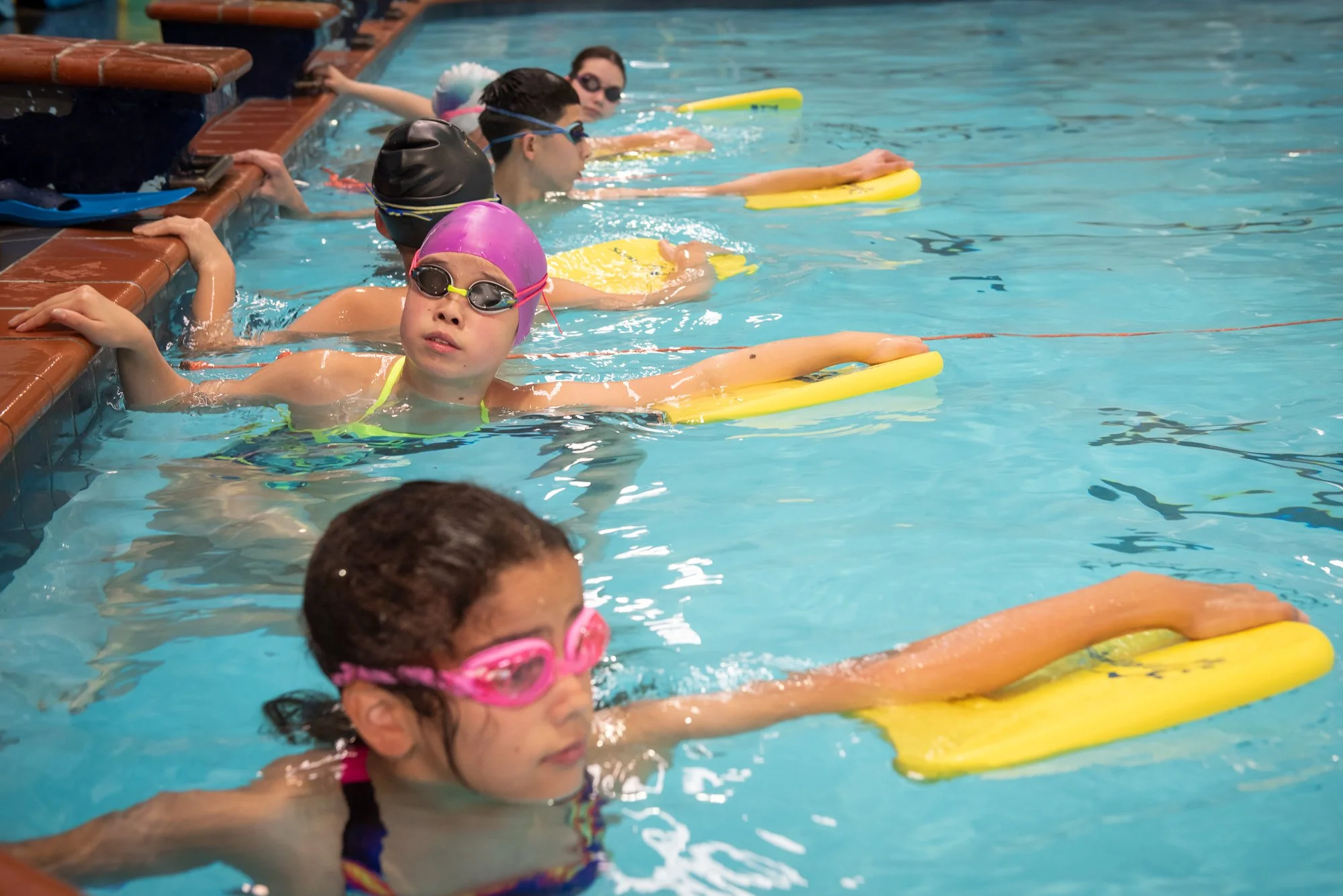
Some families pause until the weather improves. Some keep coming. By September, those two groups are not in the same place in the water anymore.
The gap is not about talent. It is about consistency.
“It is not the talented children who progress fastest. It is the ones whose families never made it complicated.”
What the research says
Professor Robyn Jorgensen at Griffith University followed more than seven thousand children across multiple years and found that regular swimmers were six to fifteen months ahead of non-swimmers in cognitive, verbal and mathematical development.
The word that matters in that finding is regular. Jorgensen was not measuring children who had done one term. She was measuring children whose families had built swimming into the structure of their weeks for years.
The benefits do not arrive in a single lesson. They compound.
What happens during a winter pause
The neural pathways that support stroke mechanics, breath control and body position weaken when they are not regularly activated. They do not disappear, but they quieten.
A child who pauses in June and returns in September spends the first two or three lessons rebuilding what they had in autumn. The instructor sees it. The child feels it.
A child who keeps coming through winter uses those same weeks to keep building. By September they are not rebuilding. They are progressing.
Why it matters at SwimWorld
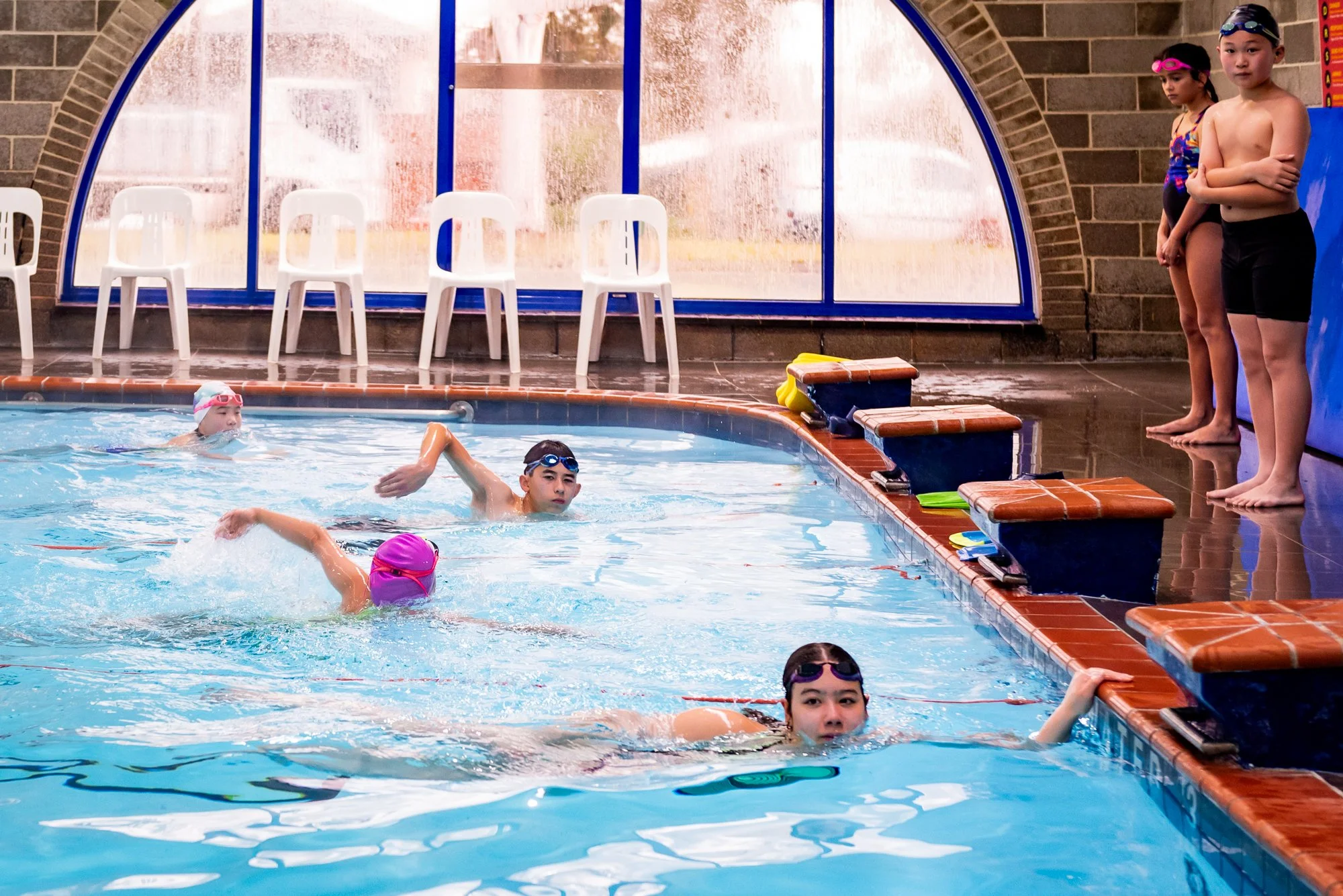
Our pool is 32 degrees today. It was 32 degrees in April. It will be 32 degrees in August. We run seven days a week, fifty-two weeks a year, with no term gaps.
That consistency is the whole point. It is not a marketing claim. It is what produces the developmental outcomes the research describes.
The children who keep coming through winter are not making an extraordinary commitment. They are making an ordinary one, repeatedly. And by week nine of every term, you can see exactly what that ordinary decision has built.
If your child is already enrolled, the most useful thing you can do over the next two weeks is keep coming. The pool stays open through the holidays. Lessons run as normal.
If you are considering enrolling, mid-June is one of the better times of the year to start. Classes are smaller than they will be in September. Every new student begins with a free trial.
Two weeks left in Term 2