

Why Term 2 Is the Smartest Time To Start Swimming
While most families pack away their beach bags at the end of summer, the families who keep swimming through autumn and winter are quietly giving their children a significant advantage.
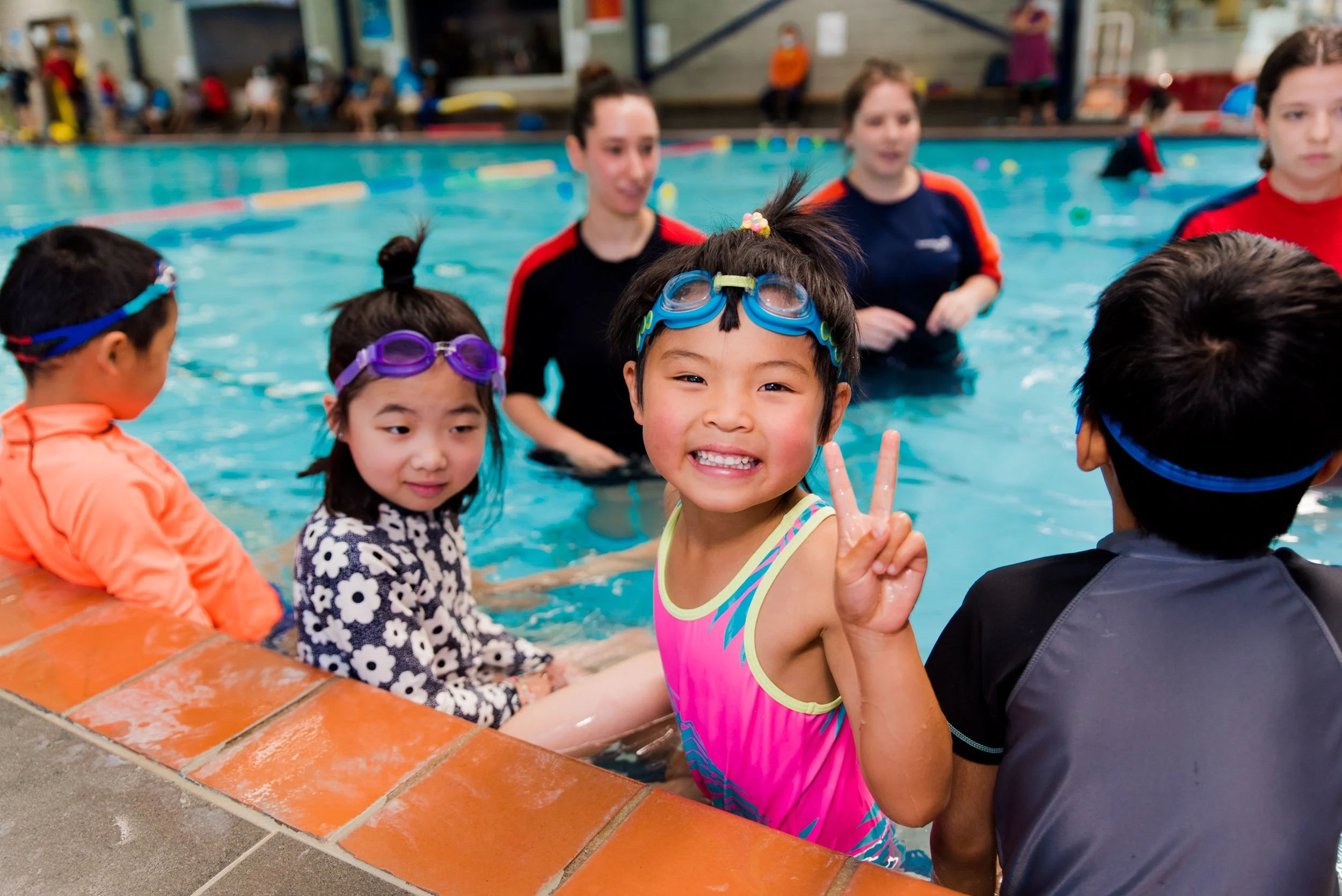
Term 2 has arrived, and with it comes one of the most reliable patterns we see every year at SwimWorld Glen Waverley. Families who swam through summer return energised, their children visibly more confident and capable in the water than they were in October. And a smaller, quieter group of families arrive for the very first time, having decided that April, not January, is the right moment to begin.
Those late starters are onto something. And the science, particularly the research published in the last two to three years, is starting to explain why.
The myth of the swimming season
Australia has a complicated relationship with the idea of swimming as a summer activity. The beach culture, the backyard pool, the long hot months of the year all reinforce the idea that swimming is something you do when it is warm outside. For structured lessons specifically, the tendency to pause over winter is understandable. Life gets busier. The mornings are darker. The drive across Glen Waverley at 7am in June requires a certain kind of commitment.
But here is what that pause actually costs.
Motor skills, cognitive flexibility and the physical confidence children build in the water are not stored like money in a bank, waiting patiently to be withdrawn in September. They are living capacities that develop through consistent repetition and decline without it. A child who swims weekly through Term 2 and Term 3 is not maintaining their summer level. They are building on it. A child who stops is not pausing. They are stepping back.
The good news is that understanding this changes everything about how you approach the next few months.
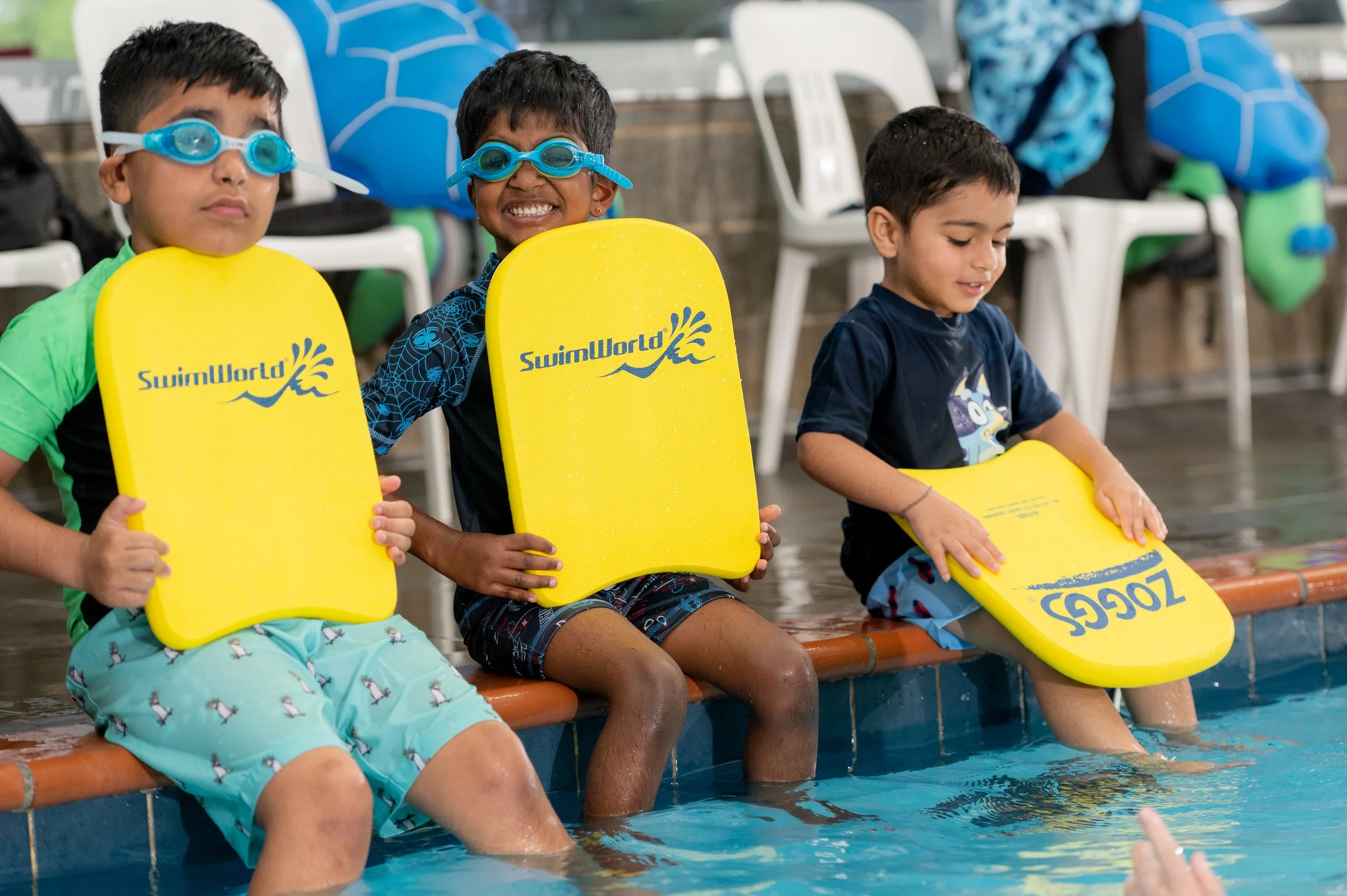
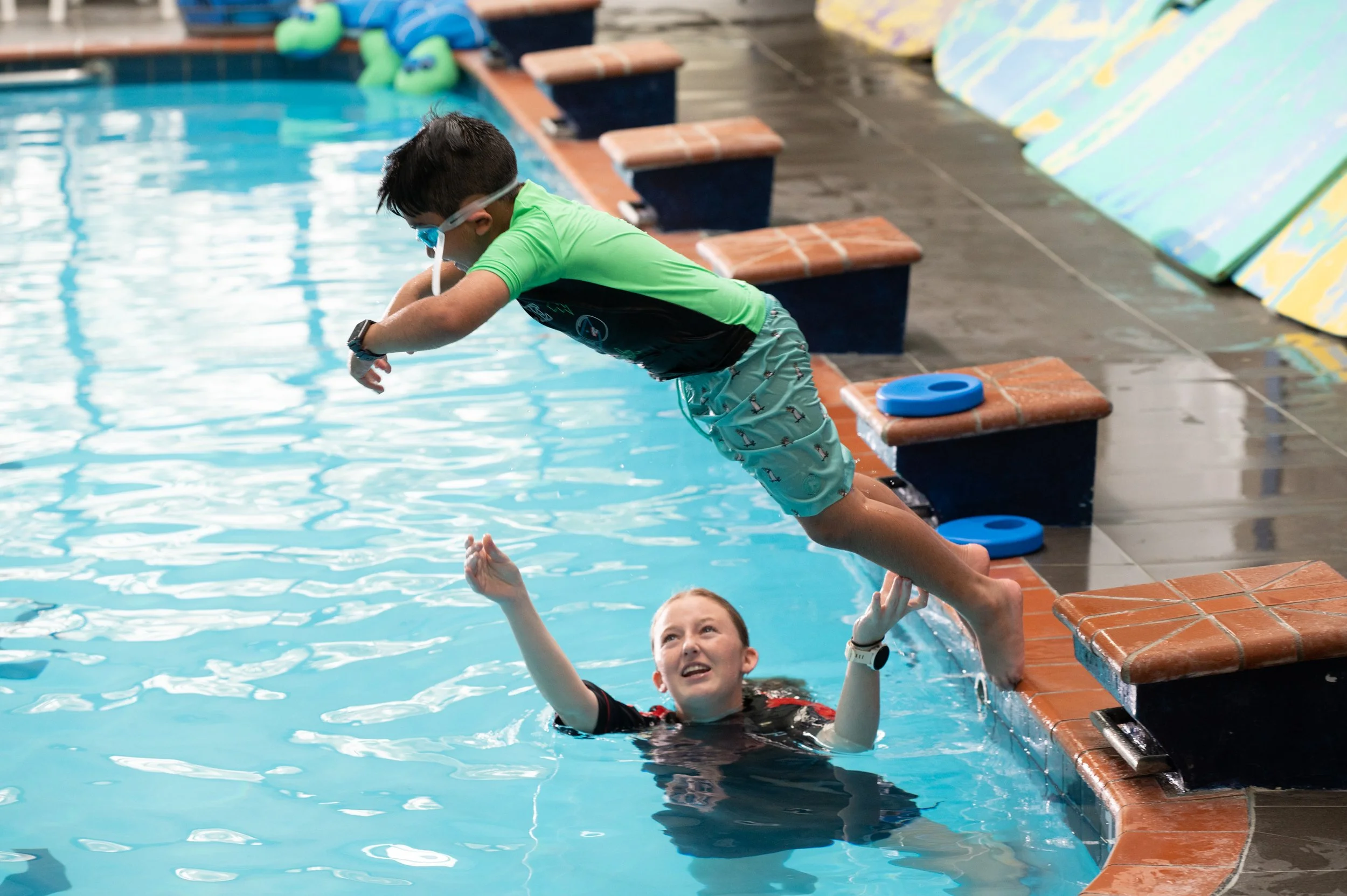
What recent research is telling us
The science of early childhood swimming has advanced considerably in the last few years, and some of the most interesting findings are directly relevant to families making decisions right now in April.
A 2022 study from the University of Padua recruited 32 infants aged 6 to 10 months and found significant differences in favour of babies attending aquatic classes on measures of reflexes, grasping, fine motor skills and total motor development. The researchers attributed this to the concept of embodied cognition, the idea that physical and cognitive development are deeply intertwined, and that the water provides a sensory environment for early movement that simply cannot be replicated on land.
Perhaps the most compelling finding for families in our community comes from a 2024 study published in Frontiers in Public Health by researchers at Beijing Sport University. The study found that swimming was more beneficial for balance and IQ development than traditional land-based physical exercise in preschool children, and that swimming with parents improved IQ scores more than swimming independently.
That last detail is worth sitting with for a moment. Not just swimming. Swimming with a parent present. The accompanied model, which is exactly how our baby classes at SwimWorld are structured, produced greater cognitive gains than independent swimming. The physical activity matters. The relationship in the water matters even more.
“A 2024 controlled study assessed 43 infants aged 3 to 12 months and found statistically significant improvements in motor development in those attending regular water activity classes compared to a control group who did not.”
The Term 2 advantage nobody talks about
April and May have a quality that January and February simply cannot offer: quieter pools, more attentive instruction and fewer distractions. Our classes are small by design, but Term 2 brings an additional benefit. Children who begin in our quieter months tend to settle into their routine faster, build a stronger relationship with their instructor earlier and arrive at the busier summer months with a level of confidence and technical foundation that newer Term 4 starters spend months catching up to.
There is also something to be said for the seasonal novelty of a warm pool when Melbourne is cold. Children who associate swimming with the pleasure of warmth on a grey morning develop a genuinely positive relationship with the water that lasts well beyond childhood. The pool at SwimWorld is 32 degrees year-round. On a 10 degree April morning, that is not a small thing.
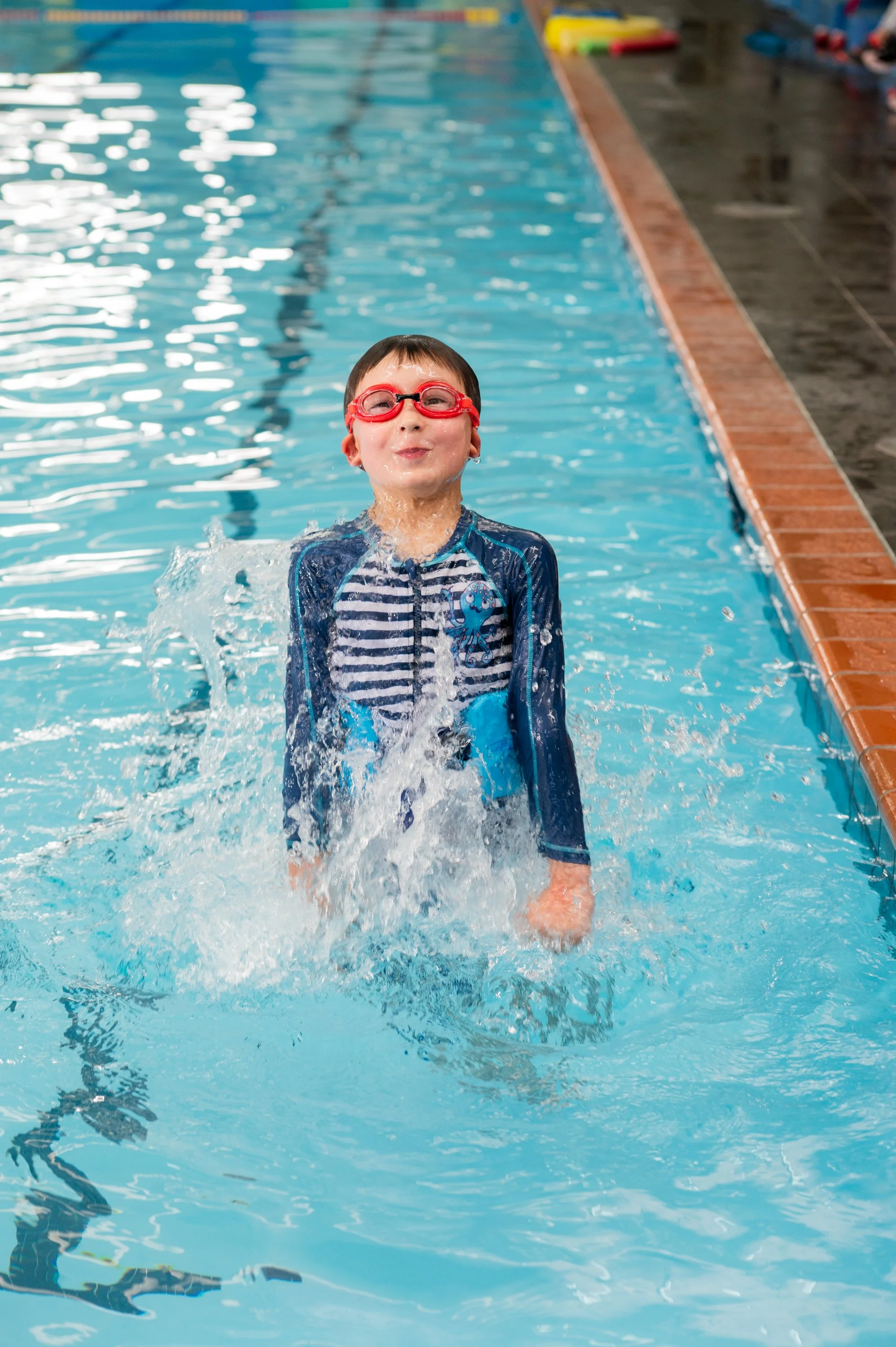
What this means for different families
For families with babies aged 6 months and over, Term 2 represents an extraordinary opportunity. The developmental window for early aquatic experience is open right now. The research is consistent in showing that the first year of life is when motor and cognitive foundations are most responsive to new stimulation. A baby who begins classes in April will have a full two terms of consistent water experience before their first birthday. That is a meaningful head start on the developmental pathway that research has linked to school readiness, language development and mathematical reasoning.
For families with children already in lessons, Term 2 is the term that separates the children who progress steadily all year from those who spend the first half of summer rediscovering what they already knew. Consistency through the cooler months is not just about maintaining skills. It is about building the kind of deeply embedded physical confidence that does not require relearning because it was never lost.
For adults who have been meaning to start, Term 2 is quietly one of the most rewarding times to learn. Smaller evening classes, instructors with more time and attention to give, and the particular satisfaction of doing something genuinely challenging in the middle of the week when the rest of life can feel relentless.